
3 Incredibly Efficacious Ideas for Successful Renovations

Many commercial buildings and residential properties are past their prime, withering as time marches on. These structures often show their age through crumbling architecture, which mars the overall aesthetics and structural integrity of the space. Thermal insulation becomes ineffective, heating systems are outdated, and spalling brickwork is difficult to ignore. Interstitial condensation occurs when warm air penetrates the building envelope, further complicating maintenance efforts.
For construction companies, architects, and consultants, the challenge of renovating these aging structures is significant. Construction companies often struggle with unforeseen complications and client dissatisfaction due to insufficient planning and investigation during renovations, as well as delays in obtaining necessary approvals from UK regulatory authorities. However, the key to avoiding such pitfalls lies in meticulous planning and thorough investigation.
Common renovation mistakes often stem from a lack of comprehensive planning and expert insight. For instance, simply redoing crumbling wallpaper or paint without addressing the underlying issues leads to repeated failures. Similarly, fixing a single pipeline without assessing the entire plumbing system fails to address the root cause of damp walls.
A prudent approach involves conducting a thorough investigation to ensure all potential issues are identified and resolved. This process is especially critical for every building that is more or less 20 year old, as timely renovations can significantly increase their longevity and functionality.
This article will provide AEC professionals with strategies to help their clients avoid unexpected renovation costs. It will outline essential steps for planning and executing renovations that ensure long-term success and client satisfaction.
Here are three highly effective ideas for planning the renovation of commercial and residential properties.
1. Building Assessment

If the building is old and you are tasked to renovate it, it is advisable to assess it thoroughly in order to secure its aesthetics and structure at least the next decade. To carry out a thorough assessment, scanning the building can be a vital step. Laser scanners like FARO and Leica, which use LiDAR technology, are widely used to capture the as-is condition of the building in the form of millions of data points. The clarity of this scan depends on density of points that are generated, creating a point cloud document. This file is almost similar to 3D model of the scanned building.
When these scans are lucrative in assessing the building there are some loopholes to it which must be considered. One of the concerns that our BIM modelers often come up with is illegible areas and dark spaces in the scan which incapacitates them to understand the difference between the wall and the pillar.
The areas that are visibly damaged but are critical to preserve and have ornamental decorations on wall, like carvings, that are particularly important to the building aesthetics and heritage should be considered separately. For these key areas of concern, particularly those showing significant defects, you may consider using a ‘real view’ scan. A real view is a 360-degree video recording integrated into the scan, providing a detailed and understandable visualisation of that particular area.
While cost constraints might limit the use of real-view features in scans, their benefits can be substantial. For this reason, you can limit its use to only those crucial areas where it is necessary.
Once you have the Building Scan in your hands, you are ready to assess the structural and other aspects of the building. A comprehensive building scan will help assess the overall strength of the structure and guide you to plan the renovation accordingly.
Here are a few specific assessments to carry out:
- Structure: Examine the structural integrity of the building, focusing on pillars, beams, outer walls, and steel components. Ensure these elements are free from rust, dents, and other forms of damage that could compromise the building’s stability and safety.
- Pipes: Inspect water and electrical pipes for rust and brittleness. Rusty pipes are prone to breakage, leading to significant issues. Prioritising the replacement of rusted pipelines should be at the top of your to-do list.
- Walls and Windows: Check the condition of both external and internal walls. Ensure the bricks are intact and not crumbling. Outer walls, in particular, need to be strong and secure. Laser scans can facilitate the investigation of these areas, making it easier to identify and address any issues.
- HVAC Systems: Conduct a thorough assessment of the insulation system that keeps your home warm in winter and cool in summer. Proper functioning of HVAC systems is crucial for maintaining a comfortable environment.
2. Digital Intelligence
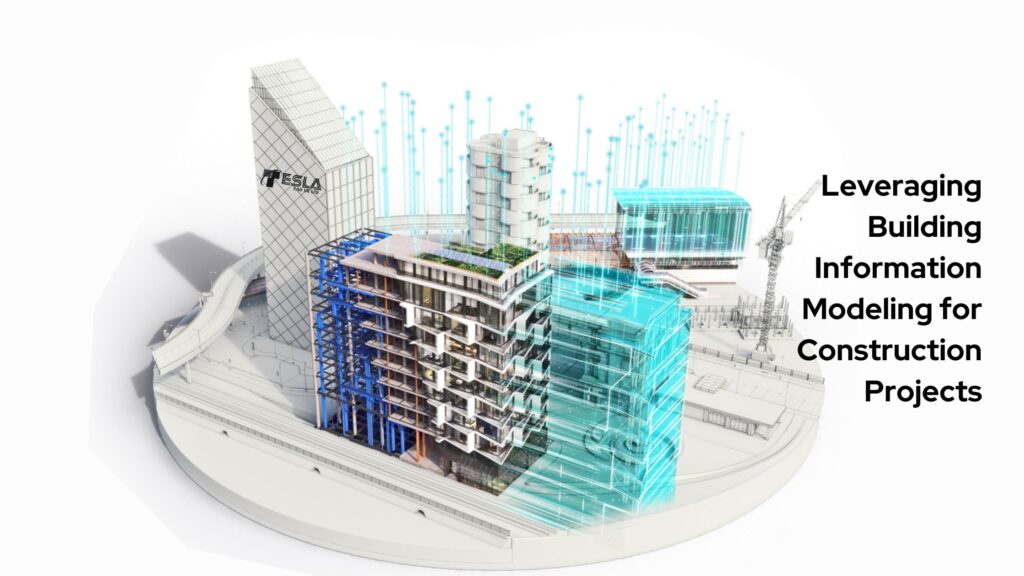
Once the building assessment is complete, the next step is to utilise the scan data to create a Building Information Model (BIM). BIM Modeling is a digital representation of the physical and functional characteristics of a building. This model becomes an invaluable tool for planning and executing renovations. Many VDC firms like Tesla CAD UK Ltd. can easily create BIM models for you.
- Risk Mitigation By providing a detailed understanding of the building’s condition and potential problem areas, BIM helps in identifying and mitigating risks. This reduces the likelihood of unexpected issues arising during the renovation.
- Informed Decision-Making With all relevant data integrated into the BIM model, decision-makers can analyze various renovation scenarios. This includes evaluating different design options, material choices, and construction methods. The model allows for cost estimation and budgeting, helping to plan the renovation within financial constraints.
- Improved Planning and Scheduling BIM enables precise planning and scheduling of renovation activities. Simulating the construction process allows you to identify and resolve potential issues before actual work begins. The model helps in sequencing tasks efficiently, minimizing downtime and disruptions.
- Enhanced Collaboration BIM facilitates collaboration among architects, engineers, contractors, and clients. All parties can access the same digital model, ensuring everyone is on the same page and reducing the risk of misunderstandings and errors.
- Accurate Visualization BIM models provide a photorealistic 3D representation of the building, allowing stakeholders to visualise the current state of the structure and proposed changes. This helps in making informed decisions about the renovation process.
- Long-Term Management BIM models are not only useful during the renovation but also serve as valuable resources for ongoing building management and maintenance. The detailed information contained within the model aids in future repairs, upgrades, and facility management.
This approach ensures that the renovation is well-planned, cost-effective, and executed with precision, ultimately leading to a more durable and functional building.
3. Being Future Ready
When you have finished the renovation project, offering a future-proof solution plan to your client bids contentment and a lasting relationship. This future planning is a thoughtful upkeep that helps the client and you to be ready for structural maintenance going forward.
To offer the future-proofing solution, you may consider incorporating 7D BIM into your renovation strategy. 7D BIM Models offer substantial benefits for managing and maintaining the building. It also provides a comprehensive approach to facility management that can significantly improve the efficiency and longevity of the building. There are many benefits of 7D BIM models as listed below.
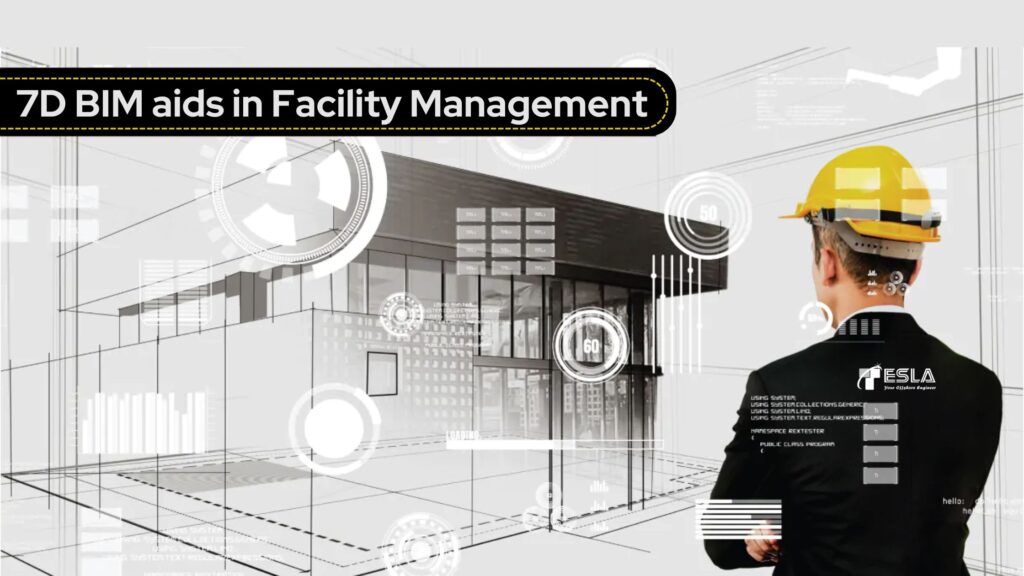
Here’s how 7D BIM can make a difference
- Ensuring Regulatory Compliance: 7D BIM helps ensure that your facility management practices adhere to building codes and regulations, thanks to its comprehensive documentation and reporting features.
- Optimised Facility Management: 7D BIM provides comprehensive data on building systems, including maintenance schedules and service histories. This allows you to effectively manage the lifecycle of your building components, ensuring they are maintained in optimal condition and reducing the risk of unexpected failures.
- Improved Resource Management: The BIM model offers detailed records of all building assets, from HVAC systems to plumbing fixtures. This information helps you track and manage these assets more efficiently, optimize space utilization, and monitor performance, leading to better resource allocation and cost savings.
- Cost Control and Efficiency: With 7D BIM, you gain insights into operational costs and energy performance. This enables you to create accurate budgets, identify cost-saving opportunities, and enhance the energy efficiency of your building, ultimately reducing operational expenses and environmental impact.
- Enhanced Communication and Decision-Making: The 7D BIM model serves as a central repository of information, facilitating improved communication among stakeholders, such as maintenance teams and building managers. It also aids in rapid issue resolution and supports decision-making for future upgrades and renovations by providing detailed data and scenario analysis.
Thus, 7D BIM can enhance the operational efficiency and sustainability of your renovated building. This advanced modeling technology not only streamlines facility management but also helps you stay prepared for future developments and challenges. BIM experts like Tesla CAD can easily help with the implementation of 7D BIM.
In summary, implementing these three incredibly efficacious ideas for successful renovations—building assessment, digital intelligence, and future readiness—can transform the way you approach and execute renovation projects. By leveraging advanced technologies like laser scanning, BIM modelling, and 7D BIM, you ensure a meticulous planning process, precise execution, and long-term sustainability for commercial and residential properties. These strategies address immediate renovation needs as well as pave the way for future-proofing buildings, thereby enhancing their longevity and functionality. If you adapt these innovative approaches, it promises to deliver high-quality, cost-effective renovation plans that exceed client expectations and set a new standard in the construction industry.