
BIM Quality Control Best Practices: Essential steps and tips for ensuring high-quality BIM models

For delivering accurate BIM models and BIM Services, effective quality control is crucial in architecture and engineering fields. A well-structured quality management process ensures that BIM models meet clients’ rigorous demands. By maintaining quality throughout the process, organizations can satisfy end-users, build trust, and achieve superior efficiency.
To achieve this, creating a comprehensive BIM QC Checklist, also known as the BIM Quality Control Plan, is essential. This plan serves as a systematic framework to record and verify that all aspects of the BIM process align with the project’s specific requirements. By implementing this checklist, organizations can identify potential errors, ensure consistency, and maintain the highest quality standards throughout the project lifecycle.
Creating a BIM QC Checklist / Quality Plan
BIM quality control starts with preparing a checklist, known as the BIM Quality Control Plan. This plan functions to record and ensure that all aspects of the BIM process align with the project’s specific requirements.
A competent BIM QC plan encompasses several crucial elements:
- Prioritize gathering client-related information, which may include:
- Geolocation data
- Survey data
- Accuracy and spread of input data
Collecting this information upfront clarifies and aids decision-making throughout the project.
Additional key points to consider:
- Specify the Level of Detail (LOD) precisely to ensure all project stakeholders understand expectations regarding model resolution and fidelity.
- Review city standards and building codes thoroughly:
- This understanding helps develop models that comply with code requirements.
- It eliminates vagueness that could lead to redesigns or costly delays.
- Verify the building type to ensure design solutions appropriately respond to the particular necessities of each project, whether it’s:
- A hospital
- A commercial complex
- An entertainment venue
By implementing these action-oriented steps, we can ensure the delivery of cost-efficient and robust BIM solutions.

Quality Framework Establishment
The structured QC process requires a timeline within which the phases of implementation are separated and clearly defined. Project Setup Check is the first and most important phase. This is where the project team should verify that the input data corresponds with the quality plan as defined earlier. Setting a precedent for accountability as project work is due to commence creates an environment where all stakeholders and participants realize their roles concerning quality.
Once the project has been set up, then comes Design Check should find out whether the design intent has been correctly available in the BIM model and whether it is feasible. Frequent reviews at this stage will cultivate the early identification of discrepancies, eliminating or curtailing problems at later stages. This checks-Monitoring of model visibility and geometry-wise Check, clashes check, and Interdisciplinary coordination allows teams to maintain the momentum generated during the project set-up process. Regularly assessing these aspects provides the first opportunity for teams to detect and resolve any conflict between disciplines, advancing the quality signal further.
Validating Compliance and Continuous Quality Improvement
Compliance validation ensures that each constituent of the Building Information Modelling (BIM) model performs according to set project guidelines, comprehensive legislative regulations, and general industry standards. Validating compliance ensures functionality and gives the teams a tangible sense of improvement opportunities.
The Role of Software in Enhancing QC Practices
It is essential to implement effective strategies to enhance and fortify BIM quality control processes. Initially, implement a resource-based expertise methodology, leveraging archived data, past project experiences, and collective team knowledge to proactively identify and mitigate potential risks. Furthermore, focusing on potential challenge areas, such as sloped floors, complex terrains, and non-staggered walls, will help optimize Quality Control (QC). A tailored checklist, differing from project to project, ensures that nothing significant is disregarded; however, consider preparing a general template for use with subsequent project scopes to become more efficient.
Leveraging Software Solutions for Enhanced QC
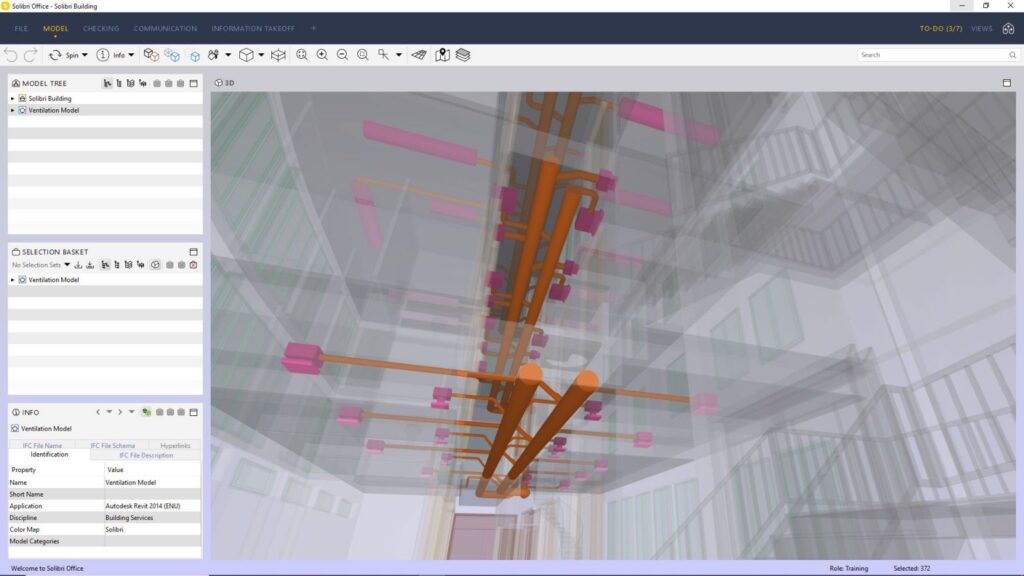
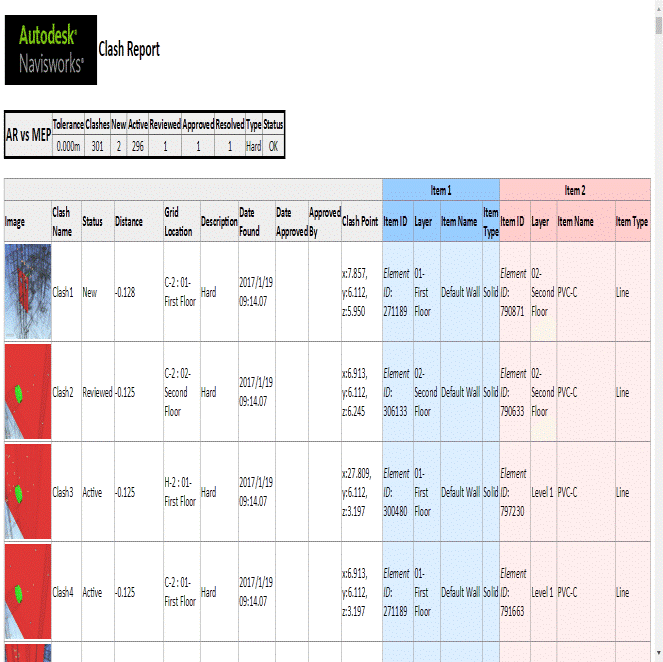
Software solutions play a vital role in enhancing quality control processes. Tools like Solibri and Navisworks excel in detecting clashes, collisions, and other errors during the design and planning phases. Solibri’s intelligent model-checking module analyzes BIM data, efficiently identifying model flaws, design process inconsistencies, and potential constructability issues. Navisworks is renowned for its advanced clash detection capabilities, allowing professionals to combine multiple design models and data from various sources. This creates a comprehensive virtual environment for conflict analysis, crucial for identifying and resolving spatial conflicts between different building systems before construction begins.
Benefits of Implementing Software Solutions
By leveraging these powerful tools, architecture, and engineering firms can enhance their quality control processes, leading to improved project outcomes, increased efficiency, and reduced rework during construction. As a result, Solibri and Navisworks have become indispensable in maintaining high standards of quality and precision in complex building projects.
Conclusion
In conclusion, embracing Building Information Modelling (BIM) Quality Control best practices is pivotal for the Architecture, Engineering, and Construction (AEC) industry. By establishing comprehensive quality plans, leveraging advanced BIM quality check tools, and ensuring continuous compliance validation, firms can minimize risks, enhance collaboration, and help deliver quality and high-precision BIM Models.
As the demand for high-quality, data-rich models continues to rise, AEC firms such as Tesla CAD UK Ltd., a renowned BIM Service Provider, that prioritize BIM Quality Control will not only meet but exceed client expectations but also position themselves as the top players of the game.