
The Role of MEP BIM in Reducing Energy Consumption
Interestingly, buildings account for almost 40% of global energy consumption. The world has taken to sustainable development practices now, and energy efficiency in buildings is very essential. Therefore, we have here MEP BIM. Traditional means of MEP design have gone; inefficiencies in these designs gave way to excessive energy wastage and high operational costs. In contrast, in MEP BIM, architects and engineers design smarter, greener strategies to reduce energy wastage and enhance performance. Let’s find out how MEP BIM helps conserve energy.
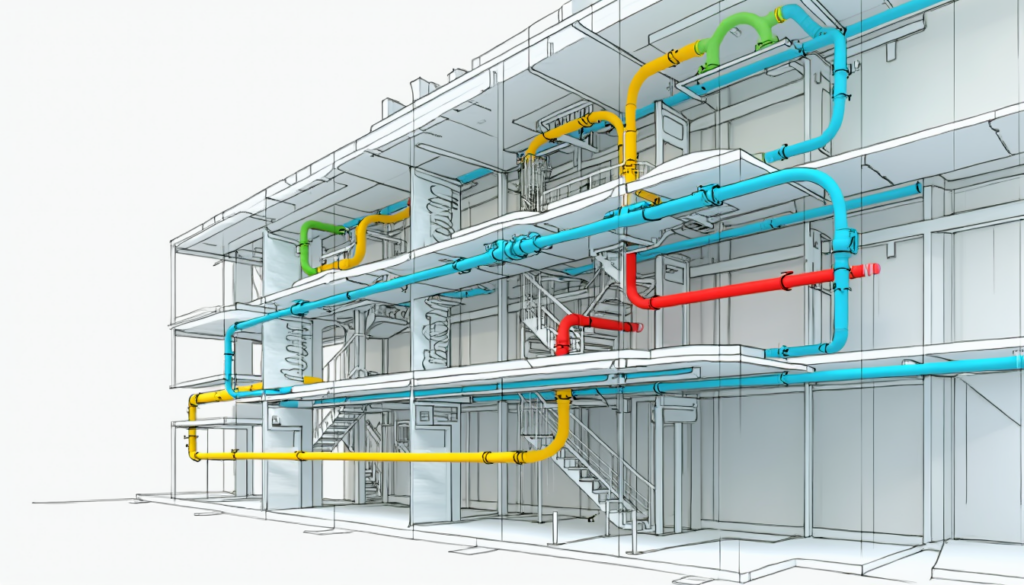
Role of MEP In BIM
Introduction
Energy efficiency is the major drive of today’s commissions for building design. Climate change, rising energy prices, and green accountability are changing industries. It’s no longer only the building’s appearance that’s considered, but also its ability to save on economic development and energy expenses.
Buildings, real or commercial, industrial or residential, represent some of the greatest energy users in the world and consume almost forty percent of all energy worldwide. As a result of the HVAC system design being inefficient, old electrical wiring designs messing up energy calculations, and plumbing design getting energy red-flagged, much energy is wasted, aggravating carbon emissions and utility payments.
The question standing is how we tackle these problems.
The answer is MEP BIM, which aims for the digital structuring and coordination of building systems. Backed by smart live 3D models, on-the-spot data investigations, and simulations that predict energy uses, the MEP BIM lays the framework through which architects and engineers can design energy-efficient buildings right from the start. It’s putting in place the means to make sure HVAC, lighting, and plumbing systems operate their best while minimizing energy waste and optimizing building performance. But how does MEP BIM really save energy and optimize efficiency? Let’s understand this and see how it is changing the pastime of construction.
Understanding MEP BIM and Its Capabilities
Before we explore its energy-saving benefits, let’s first understand what MEP BIM really is.
What is MEP BIM?
An MEP BIM describes the computer model of the building’s mechanical, electrical, and plumbing systems, which allows an in-depth visualization, simulation, and analysis. Unlike the old-fashioned 2D CAD drawing, BIM enables the specialists to develop smart, data-oriented models to maximize energy efficiency from the very beginning.
How Is It Different from Traditional MEP Design?
In conventional workflows, many times various disciplines tend to function independently, creating design conflicts, inefficiency in system layout, and unreal energy losses. MEP BIM, on the other hand, facilitates this integrated collaborative process that enables designers, engineers as well as contractors to work together in a shared model, allowing fewer errors and more proper system efficiency.
Key Features of MEP BIM That Drive Efficiency
- 3D Modeling: Visualizes MEP systems precisely for improved coordination.
- Clash Detection: Highpoints and solves collisions between MEP items before construction, averting costly repair work.
- Data-Driven Decision-Making: Useful during energy simulations, load calculations, and real-time analysis.
- Automation & Prefabrication: Minimizes material wastage and increases precision in system installation for enhanced efficiency.
With these capabilities, it is evident that MEP BIM establishes groundwork for energy-efficient building design. But in what way does this support energy conservation? Let us take a look.
The Impact of MEP BIM on Energy Efficiency
MEP BIM is a powerhouse when it comes to energy savings. The efficient use of BIM enhances the optimization of Systems in buildings to lower energy use while achieving exceptional performance.
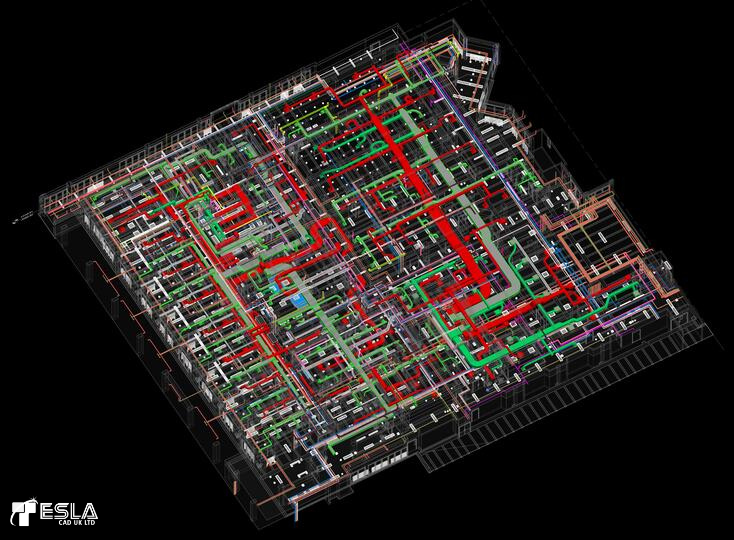
Transforming MEP design layouts using BIM
Optimized HVAC Systems for Energy Conservation
Heating, ventilation, and air conditioning (HVAC) systems consume a significant amount of energy in any building. With MEP BIM:
- Designers can simulate airflow, temperature distribution, and thermal performance to select the most energy-efficient HVAC system.
- Proper duct and pipeline routing reduces pressure drops and energy losses.
- Smart zoning techniques can optimize heating and cooling only where needed, preventing waste.
Smarter Electrical Systems to Reduce Power Consumption
Electrical systems have a central role in energy efficiency. MEP BIM helps:
- Designing lighting schemes that are energy-efficient, integrating daylighting to reduce the need for artificial lighting.
- Simulating power loads so circuits are not overloaded for maximizing efficiency.
- Integrating renewable energy sources such as solar panels into the electrical grid for a cleaner way of living.
Plumbing Efficiency: Reducing Water and Energy Waste
Plumbing systems also contribute to a building’s energy footprint. MEP BIM helps:
- Design hot water systems that work well with low heat losses.
- Select low-flow fixtures to reduce water and energy wastage.
- Optimize rainwater harvesting and greywater recycling for sustainable water management.
Energy Simulation and Analysis with BIM
Designing an energy-efficient building requires accurate predictions of how much energy will be consumed in various conditions. This is where BIM’s simulation tools come into play.

Energy Simulation using BIM
Source: https://www.equa.se/
How Energy Simulation Works in BIM
BIM software integrates powerful energy analysis tools that allow engineers to:
- Predict thermal loads and optimize insulation requirements.
- Simulate daylighting and shading effects for better natural light utilization.
- Analyze building envelope performance to minimize heat loss and gain.
Popular Energy Simulation Tools in BIM
Some of the best tools used for energy modeling within BIM include:
- Autodesk Green Building Studio – For carbon footprint analysis.
- IESVE (Integrated Environmental Solutions Virtual Environment) – For detailed energy performance analysis.
- Revit Energy Analysis – For HVAC and lighting simulations.
By leveraging these simulations, MEP teams can make data-driven decisions to maximize energy savings.
Clash Detection and Reduced Wastage
The design errors and wastage of materials have been some of the most unnoticed causes of energy inefficiency. In MEP BIM, clash detection and coordination capabilities will ensure that energy saving solutions can be applied without putting at stake the cost of delays or inefficiencies.
How Clash Detection Helps Energy Efficiency
- Prevention of system overlaps that would otherwise cause poor ventilation leading to higher energy consumption.
- Reduction of rework at site therefore minimization of materials wasted and energy usage not required during construction.
- To guarantee proper insulation and ducts escape energy loss from wrong alignment.
In fact, through the features mentioned above, MEP BIM extremely cuts down the overall carbon footprint that the life of a building project can generate.
Lifecycle Energy Management and Building Performance Monitoring
Energy efficiency isn’t just about designing an optimized system, it’s about maintaining performance throughout the building’s lifecycle. MEP BIM helps in post-construction energy management as well.
BIM and Smart Building Integration
BIM models can be integrated with IoT (Internet of Things) sensors and smart monitoring systems to track real-time energy performance. This helps:
- Predictive maintenance, reducing energy loss due to faulty systems.
- Automated adjustments in HVAC and lighting based on occupancy.
- Data-driven upgrades for continuous energy optimization.
Updating Existing Buildings with BIM
Even older buildings can benefit from MEP BIM. By scanning existing infrastructure and creating a digital twin, engineers can identify inefficiencies and implement energy-saving retrofits without costly guesswork.
Industry Insights on BIM and Energy Efficiency
From these insights, it is evident that BIM is rewriting the future of energy-efficient buildings. Multiple reports have indicated that BIM implementation at MEP design typically yields:
- 20-30% reduction in energy consumption due to optimized system designs.
- 35% reduction in operational costs arising from the inefficient design of HVAC systems.
- 15% reduction in construction material wastage, making the building process more sustainable.
Role of MEP BIM in Green Certification
Designers can expedite the certification process, ensuring that MEP design solutions comply with international standards for green buildings. Green building certifications have become important for every modern-day construction that guarantees buildings meet sustainability codes. Here, MEP BIM plays an important role in obtaining certifications, namely:
LEED (Leadership in Energy and Environmental Design)
- BIM assists in meeting LEED energy performance specifications by maximizing building systems.
- Energy analysis and daylighting simulation in BIM account for more LEED points.
- Effective water conservation by low-flow appliances and rainwater harvesting design enhances water efficiency credits.
BREEAM (Building Research Establishment Environmental Assessment Method)
- BIM helps in life cycle assessment (LCA) modeling, reducing the environmental impact of materials used.
- The integration of renewable energy sources ensures compliance with sustainability credits.
WELL Building Standards
- BIM helps in designing healthy indoor environments, focusing on air quality, lighting, and acoustic performance.
- helps thermal comfort analysis for improved occupant well-being.
Conclusion
Building of the future encompasses far more than constructing buildings; it is about designing smarter and more effective spaces that use less energy and, therefore, less monetary resources while fostering sustainability. MEP BIM is no longer simply a technical organization advantage; it has become a survival tool for those developers, engineers, and architects who wish to remain competitive in a world where green solutions will increasingly take center stage.
Imagine a future where every building is truly self-sufficient, with energy flowing easily through efficient HVAC, electrical, and plumbing systems, and where energy inefficiencies are anticipated even before they happen by the digital model. This is not in the realm of fiction; it’s MEP BIM’s reality. With data-driven simulations, automatic processes, and real-time analytics, the guessing is gone, and specialists design buildings that adapt, evolve, and excel with the least energy footprint.
Furthermore, with the ever-increasing ratification of standards regarding carbon emissions and energy use worldwide, it will soon become a sucker thing not to integrate MEP BIM into the project workflows; it will be the norm. The firms adopting BIM technologies now are not just saving money- they are consciously creating a tomorrow where sustainability and efficiency will be synonymously expressed.
This is a vision by Tesla CAD UK. We are MEP BIM specialists dedicated to clients’ visions of high-performing, energy-efficient buildings. Whether you are an architect looking for accurate MEP coordination or a developer pursuing LEED certification, the dedicated team at Tesla CAD UK will ensure your project not just meets but far exceeds energy-efficiency standards.